
A United Kingdom holiday might unfold among London’s museums, theatres and ever-changing neighbourhoods. Yet within a few hours of leaving the city, the pace shifts: stone villages and green hills in the English countryside, historic cities and northern coastlines, then Scotland’s lochs, valleys and castles.
The contrasts are the greatest appeal. You might begin the morning in a major museum, have lunch at a market, take a train to another city and, a few days later, find yourself in a landscape of remarkable calm.
1. What kind of trip would you like?
London: culture, neighbourhoods and city life
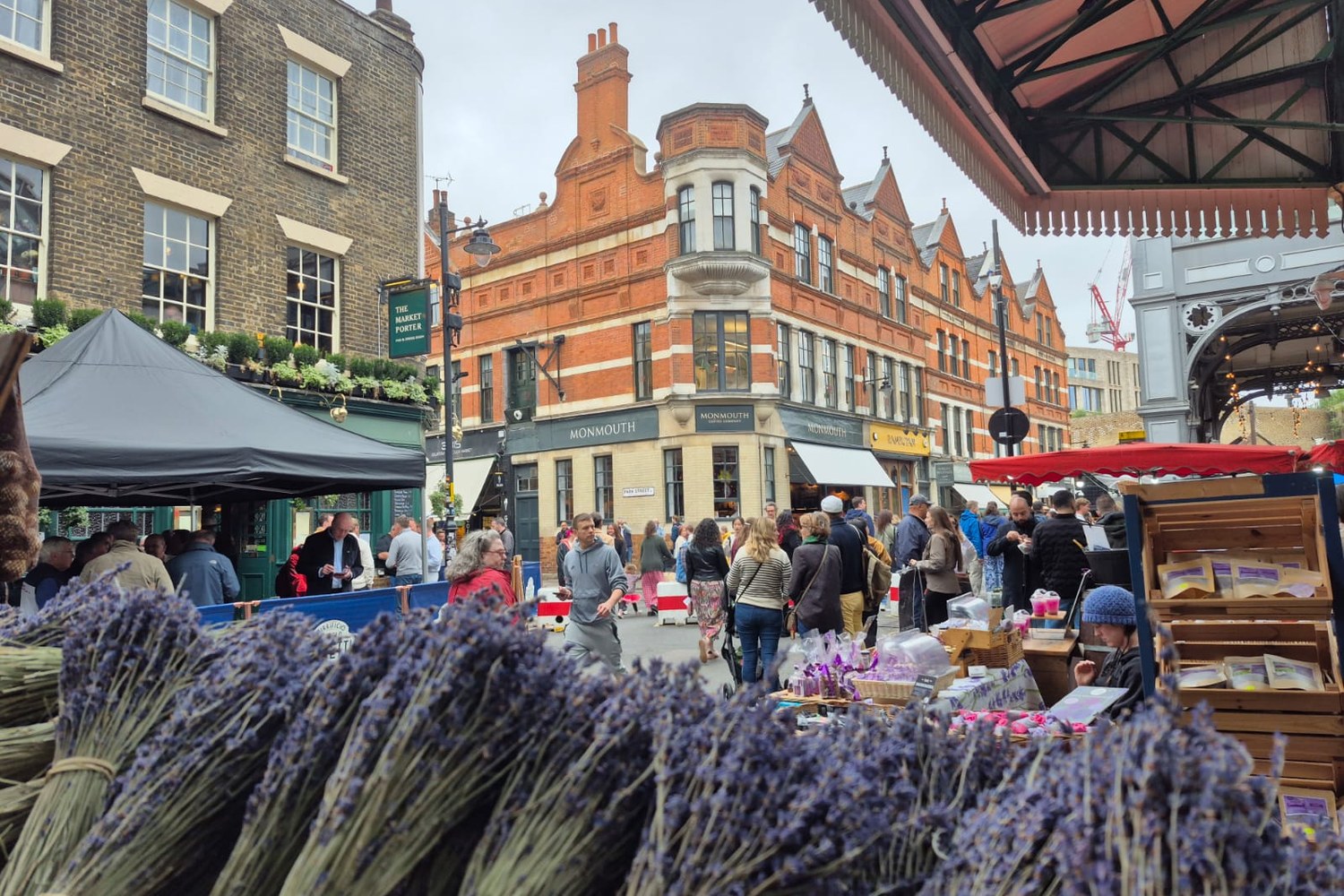
London is large enough to fill four or five days without any need to see everything. Travellers interested in history might choose Westminster, the Tower of London and the museums. Those drawn to art, fashion or food can spend time on the South Bank, in Covent Garden, Soho, Notting Hill, Shoreditch or the markets.
Do not choose places solely for their fame. Group them by area to reduce travel time, and leave room for unexpected discoveries. An enjoyable London day might include just one museum, one neighbourhood explored on foot and an evening of music or theatre.
The English countryside: small villages and a slower pace
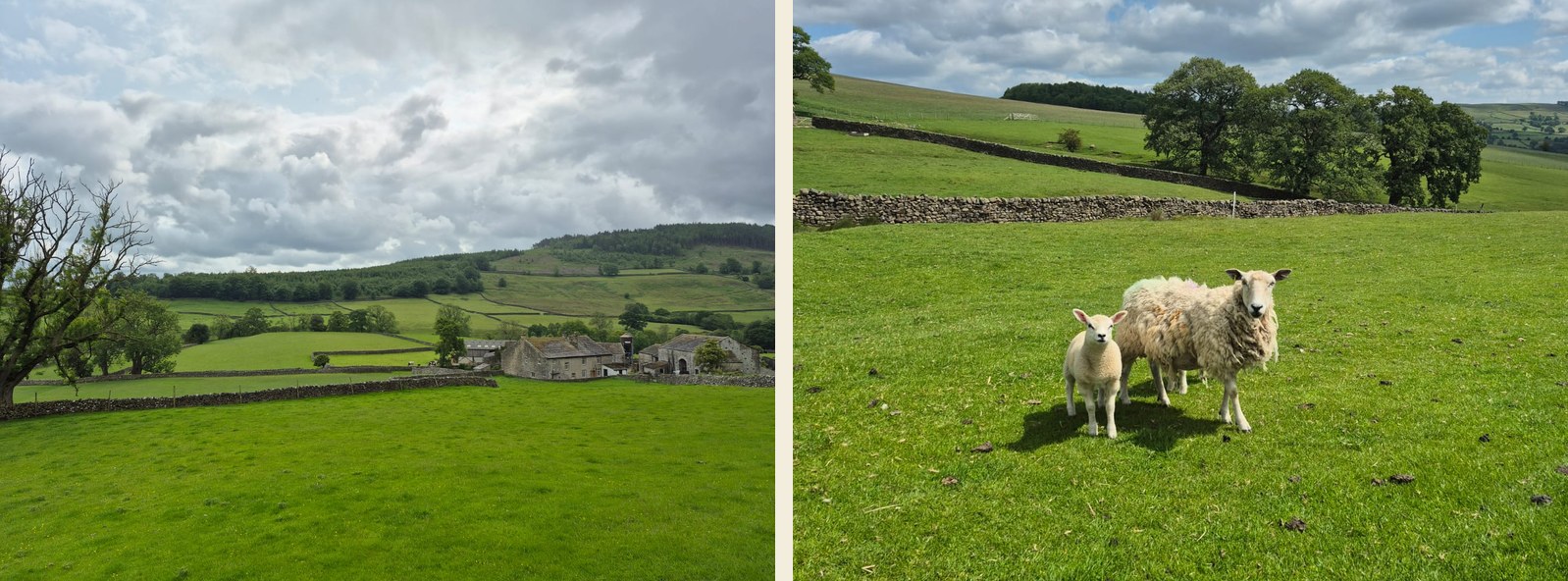
The Cotswolds are often celebrated for honey-coloured stone villages, country lanes and cosy pubs and cafés. Bath suits travellers interested in architecture and history, while Oxford has a university atmosphere and convenient connections with London. Consider choosing one place as a two-night base instead of trying to visit several villages in a day.
Public transport is less frequent in the countryside than in the cities. If you are not driving, stay near a railway station or bus route and check the return schedule before setting out. A small-group tour may be practical if you want to see several places without driving on the left.
Northern England: historic cities, lakes and open landscapes
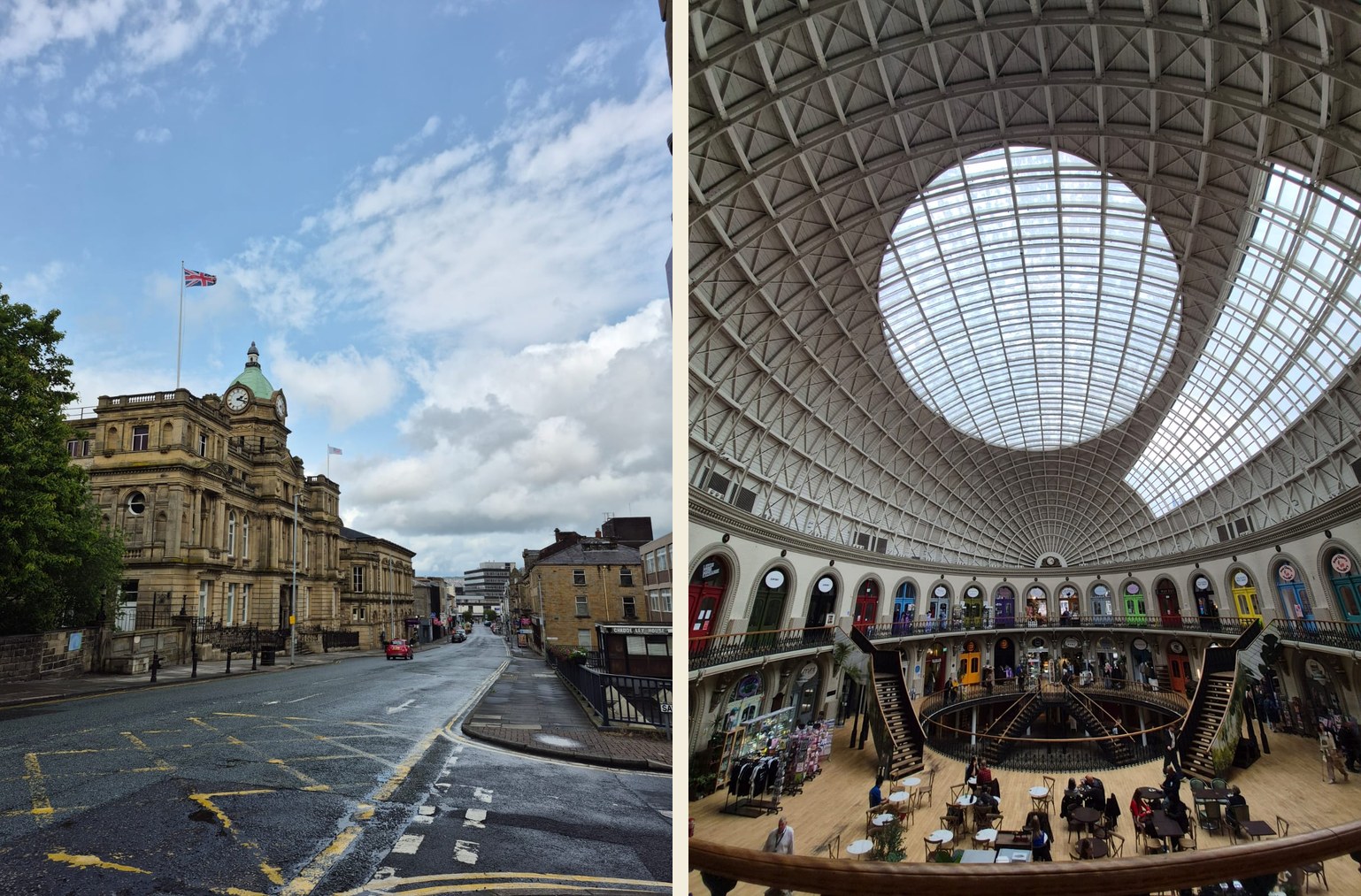
York is ideal for travellers who enjoy old streets, city walls and history. The Lake District offers lakes, small villages and walking routes at various levels. These two experiences can be combined on a northern itinerary, but allow enough time for travel and the weather.
Scotland: Edinburgh, the Highlands and islands
VisitScotland presents Scotland through its history, Celtic culture, cities, lochs, valleys, mountains and islands. Edinburgh is a convenient starting point, with its Old Town, castle and cultural life. With more time, you can travel towards the Highlands or the Isle of Skye, or choose a shorter journey among lochs and historic towns.
Scotland’s landscapes are best enjoyed without an overly tight schedule. Distances that look short on a map can take time because of narrow roads, stops and weather.
2. Which season should you choose?
The weather in the United Kingdom can change within a single day. A light waterproof jacket, comfortable walking shoes and layered clothing are often more useful than focusing on one temperature figure.
- Spring: the landscape begins to turn green, and parks and the countryside are pleasant; some days remain cold or rainy.
- Summer: long days work well for cities, the countryside and Scotland. It is also the busy season, with many events; plan accommodation in popular places early.
- Autumn: a good fit for cities, museums, food and changing landscapes. The days become shorter, particularly farther north.
- Winter: London, Edinburgh and other cities have a festive atmosphere, while the countryside is quieter. Check seasonal opening hours and allow for the weather.
If your priority is a major Edinburgh festival, a football match or a particular performance, check tickets and accommodation before finalising the rest of the trip.
3. A suggested 9-day itinerary
This framework balances cities, countryside and Scotland:
-
Days 1–4: London
Take the first day gently while adjusting to the time zone. Divide the next three by area: history and Westminster; museums and parks; markets and neighbourhoods, with a cultural evening. -
Days 5–6: Bath or the Cotswolds
Choose Bath for convenient rail travel and a focus on architecture and history. Choose a Cotswolds town if the countryside is your priority and you are comfortable planning transport more carefully. -
Day 7: train to Edinburgh
Spend the late afternoon or evening walking around the centre rather than scheduling a long tour immediately after arrival. -
Days 8–9: Edinburgh and a day beyond the city
Spend one day in the Old Town, castle and museums; for the other, choose a nearby area or scenic tour that fits the time available.
With only six or seven days, consider London plus one region. With two weeks, you could add York, the Lake District or a few nights farther into Scotland.
4. Transport and luggage planning
Trains work well between London and Bath, York, Edinburgh and many other major cities. Advance tickets sometimes have restricted change and refund conditions, so read the terms carefully before paying. Do not consider only time on the train; include the journey from your accommodation to the station and any connection time.
In London, walking combined with public transport is usually easier than hiring a car. If driving into the countryside, be prepared for left-hand traffic, narrow roads, parking and local rules. An itinerary with several stops will feel easier if each traveller packs a manageable amount of luggage.
Save tickets, hotel addresses and the itinerary somewhere accessible offline. If you have an important train or tour, check again near the travel date because operating schedules can change.
5. Where to stay and how to enjoy the journey
In London, being near the right transport line is often more important than staying beside a famous landmark. In the countryside, check arrival times, evening meal arrangements and how to travel from the station to your accommodation. In Scotland, a night at a small guesthouse or beside a loch can feel very different from a city hotel.
British food extends well beyond fish and chips. A trip might include a full English breakfast, Sunday roast, afternoon tea, food markets, regional dishes and the cuisines of London’s many communities. Whisky is a notable part of Scottish culture, but the experience also includes seafood, baked goods, pubs and regional produce.

Leave at least one half-day without a list. Many of the most memorable moments come from a park, bookshop, market or small café you never planned to find.
6. A concise visa guide
Vietnamese ordinary passport holders generally need a visa before travelling to the United Kingdom. The usual route for a holiday or a visit to family and friends is the Standard Visitor visa. GOV.UK states that this route generally allows a visit of up to six months; your activities must fall within those permitted.
The application is submitted online before travel. GOV.UK currently states that you may apply up to three months before the date of travel. Check the current deadline, process and information in your application account before proceeding.
Before opening the application, prepare:
- travel and return dates, intended cities and accommodation;
- the budget, source of funds and person paying for the trip;
- employment or study, income and leave arrangements;
- details of a host or relatives in the UK, if applicable;
- travel history and other information requested on the form;
- financial and employment documents, with translations appropriate to your genuine circumstances.
A UK visa is separate from a Schengen visa. If your journey combines the UK and continental Europe, plan the requirements, timing and budget for each application separately.
Next step with Visa Tốt
A UK journey can be highly flexible, but the visa application asks for detailed information about your plans, finances, employment, family and personal history. Visa Tốt will work with you to develop an itinerary suited to the actual number of days, organise the information before you complete the form and review the consistency of your itinerary, budget, employment, financial evidence and invitation letter. You can look forward to a worthwhile journey while understanding exactly what you are submitting.
Official sources
Checked on 28 July 2026: information may change; confirm it directly before booking services or submitting an application.
VisitBritain · Visit London · VisitScotland · GOV.UK — Standard Visitor · GOV.UK — Apply for a Standard Visitor visa