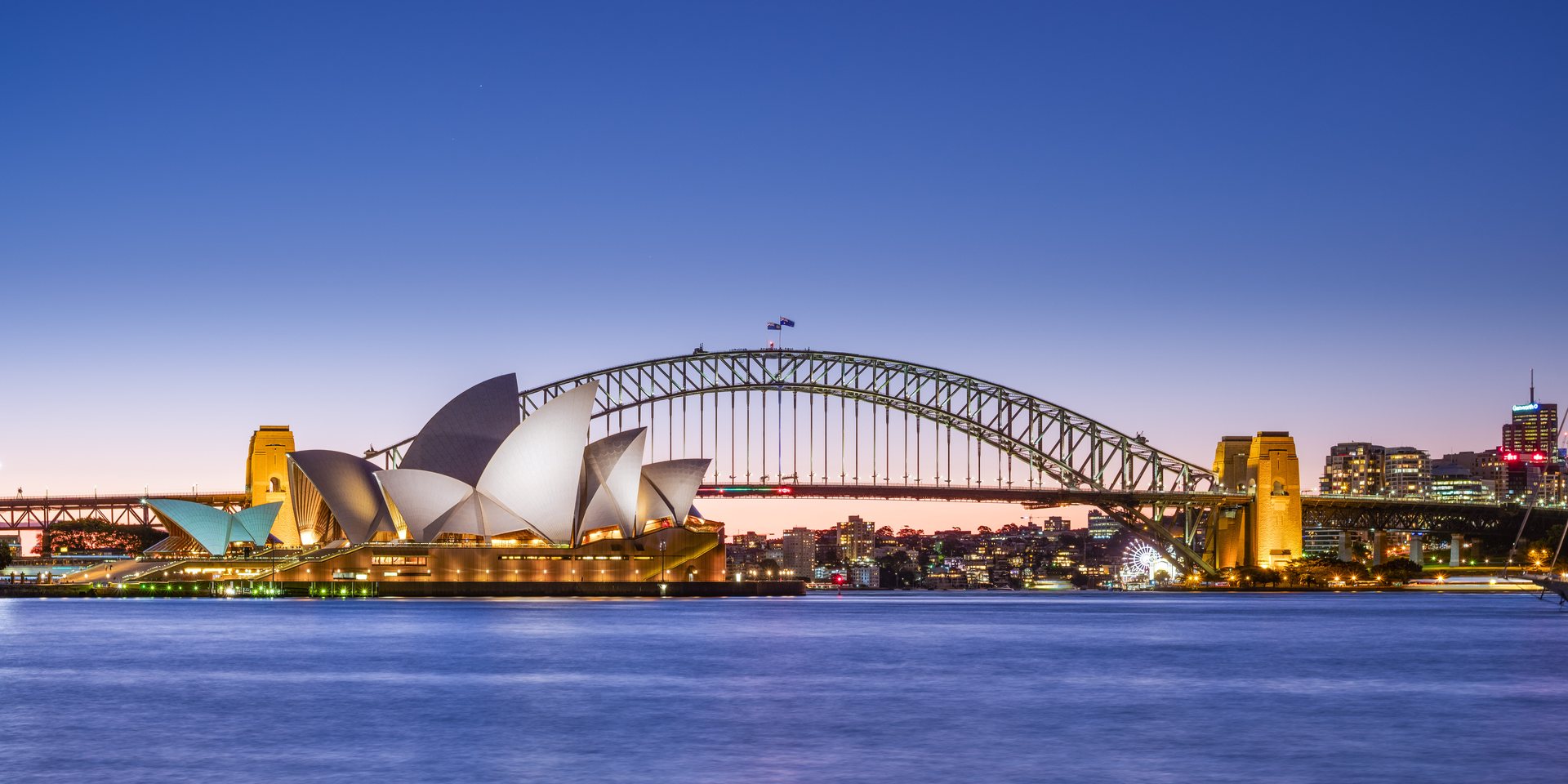
Australia is vast, but a first visit does not need to cover the whole country. Sydney combines its harbour, beaches and neighbourhoods through trains, buses and ferries. Melbourne offers art, coffee, markets and easy connections to coastal Victoria. Beyond them are long coastal roads, national parks, reefs, desert landscapes and cities with distinct characters.
Rather than choosing too many states, begin with the experience you want: a few days living in a city beside the sea, a road journey with time to stop, or a trip that combines nature with local food. Distances in Australia are larger than they appear on a map, so a compact itinerary often produces a richer journey.
1. Choose the Australia that suits your trip
Sydney: harbour, beaches and neighbourhoods
Sydney is an easy first picture of Australia. Walk around Circular Quay for views of the Opera House and Harbour Bridge, take a ferry to see the skyline from the water, spend time in a museum, market or neighbourhood, then choose Bondi, Manly or a coastal walk for a day with good weather.
Do not visit only for a photograph and immediately move on. Public ferries, harbourside parks and residential areas reveal a city beyond its landmark checklist. With four days, keep at least one period open so the plan can respond to the weather.
Melbourne: streets, art and coffee
Melbourne suits travellers who like exploring by district. The centre has trams, laneways, galleries, markets and a wide range of places to eat. Fitzroy, Carlton, South Melbourne and St Kilda each carry a different rhythm; choosing two or three that match your interests is more rewarding than crossing the city to collect every name.
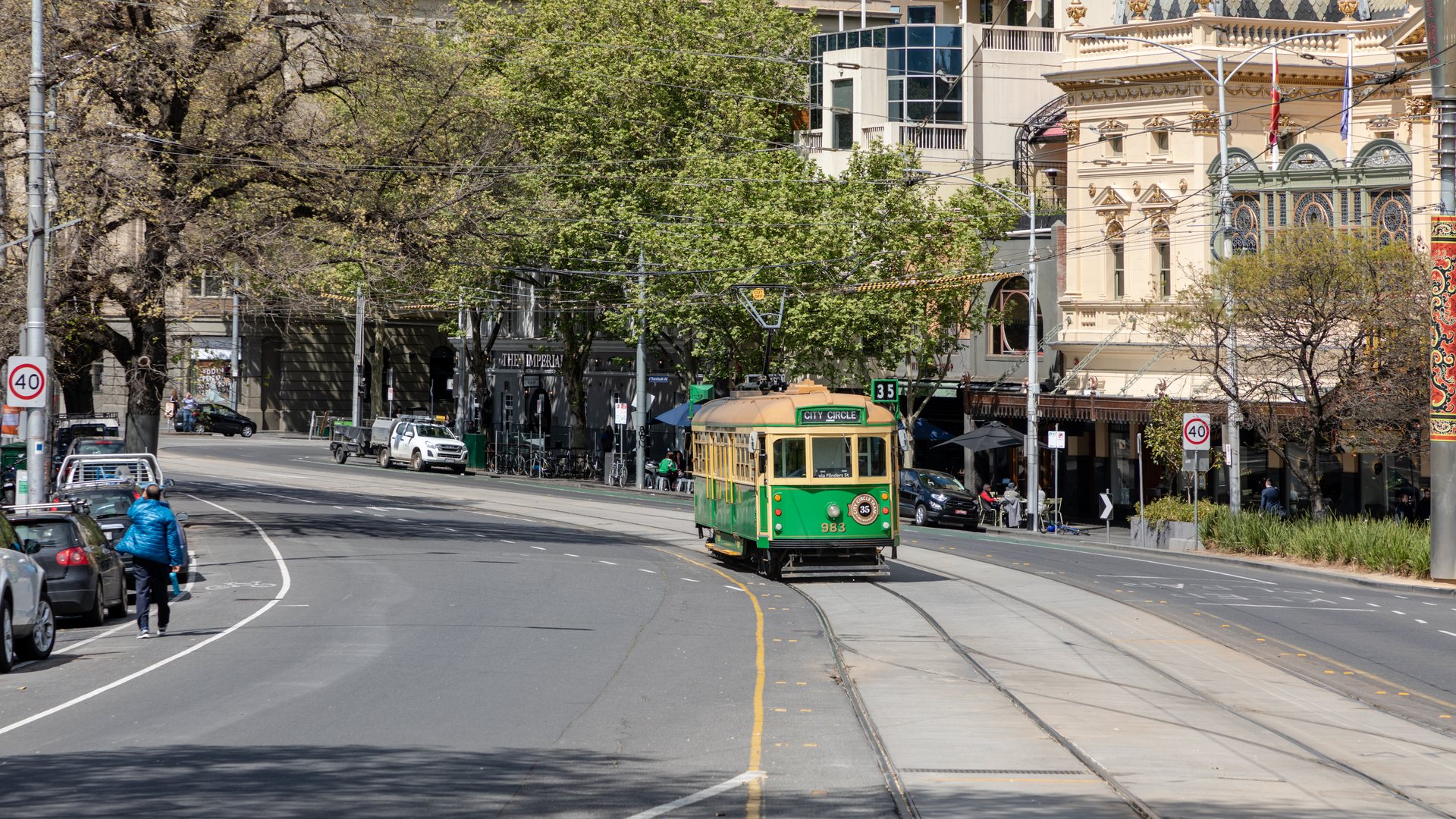
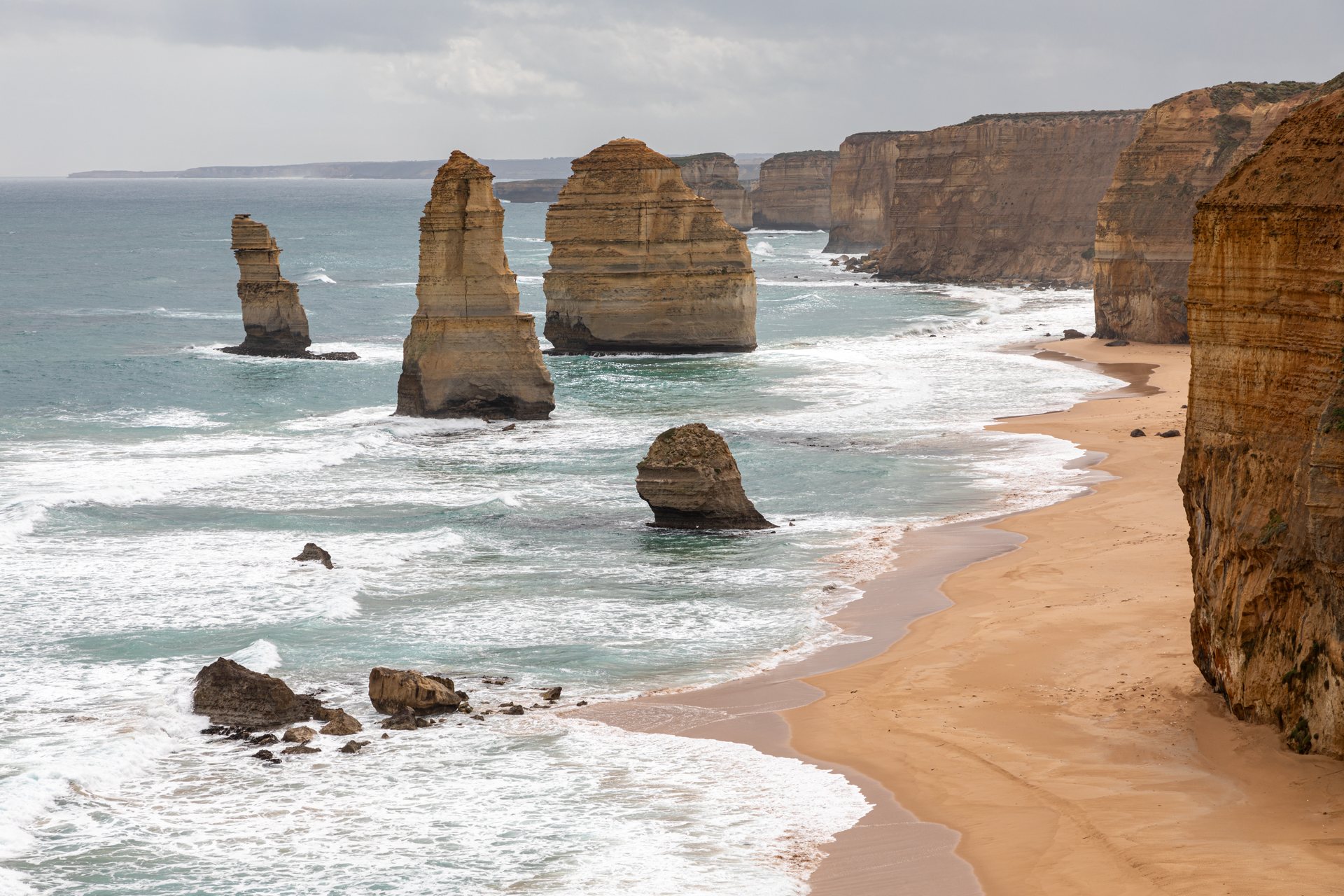
From Melbourne, you can add the Great Ocean Road, wine regions, Phillip Island or nearby towns. Each requires real travelling time; if you have only one day, choose one direction rather than combining everything.
Nature and journeys farther afield
- Great Ocean Road: a coastal journey best given one or two nights, with time for beaches, towns and safe stops.
- Queensland: Brisbane, the coast and different gateways to the Great Barrier Reef; season and sea conditions shape the experience.
- Tasmania: a strong choice for landscapes, walks and road trips, with weather and driving time built into the plan.
- The Red Centre: a journey of its own, requiring careful attention to climate, distances and cultural significance.
- Western Australia: immense and beautiful, but not a casual addition to a Sydney–Melbourne itinerary simply because it belongs to the same country.
2. Choose timing by region, not only by season
Australia’s seasons are opposite to Vietnam’s: summer generally falls from December to February and winter from June to August. Climate, however, differs significantly between the tropical north, southern cities, alpine areas and the dry interior.
- Sydney and Melbourne: conditions can change quickly; flexible layers and an indoor alternative are useful.
- The tropical north: planning often centres on wet and dry seasons rather than the familiar four-season pattern.
- Inland regions: day and night temperatures can differ sharply; check warnings and local conditions for the travel period.
- Bushfire or severe-weather areas: follow official alerts and be ready to change plans.
If beaches, walking or a long drive are central to the trip, check weather, daylight, road conditions and local alerts close to departure. A good itinerary does not rely only on a “best season”; it also has an alternative when conditions change.
3. A suggested 9-day first journey
Days 1–4: Sydney
Spend one day around the harbour, one at a beach or on a coastal walk, one in neighbourhoods and museums, and keep one day flexible for the weather.Day 5: Fly to Melbourne
Choose the flight and accommodation so the transfer does not consume the whole day. The afternoon can be used for one neighbourhood, a market or a short tram journey.Days 6–7: Melbourne
Plan by area and interest: architecture, art, sport, shopping, food or residential districts with a slower pace.Days 8–9: Great Ocean Road or another Victorian option
If driving, allow proper breaks and avoid an overloaded schedule. If joining a tour, check the number of stops, time on the vehicle and expected return time.
This route is specific enough to estimate flights, accommodation and budget while still allowing adjustment. If nature matters more than cities, reduce each city by a day and add nights on the coast; do not force Cairns or Uluru into the same nine days.
4. Transport and distance
Public-transport cards and payment methods vary by state. Sydney, Melbourne and other cities do not share one national urban system. Check the official transport site for each destination before the journey.
Between major cities, flying is usually more time-efficient than rail or long-distance road travel. For a driving itinerary:
- check the driving-licence and translation requirements that apply to you;
- do not judge the journey only by the number of kilometres;
- avoid driving while tired and take care around dawn and dusk where wildlife is active;
- include fuel, water, phone coverage and rest stops in the plan;
- read the rental vehicle’s insurance, restricted-road and use conditions.
Australia has strict biosecurity and declaration rules. Check official guidance on food, animal and plant products, and items that must be declared before packing.
5. Budget, accommodation and pace
Accommodation near the right station, ferry terminal or tram route may save more time than a cheaper room farther away. When comparing options, include domestic-flight baggage, airport transfers, parking, fuel and meal costs rather than looking only at the nightly rate.
Book the parts that are difficult to replace—domestic flights, remote accommodation and limited-capacity activities. Keep space around meals, museums, beaches and neighbourhoods so the trip does not become a continuous sequence of reservations.
6. Food: from markets and seafood to coffee culture
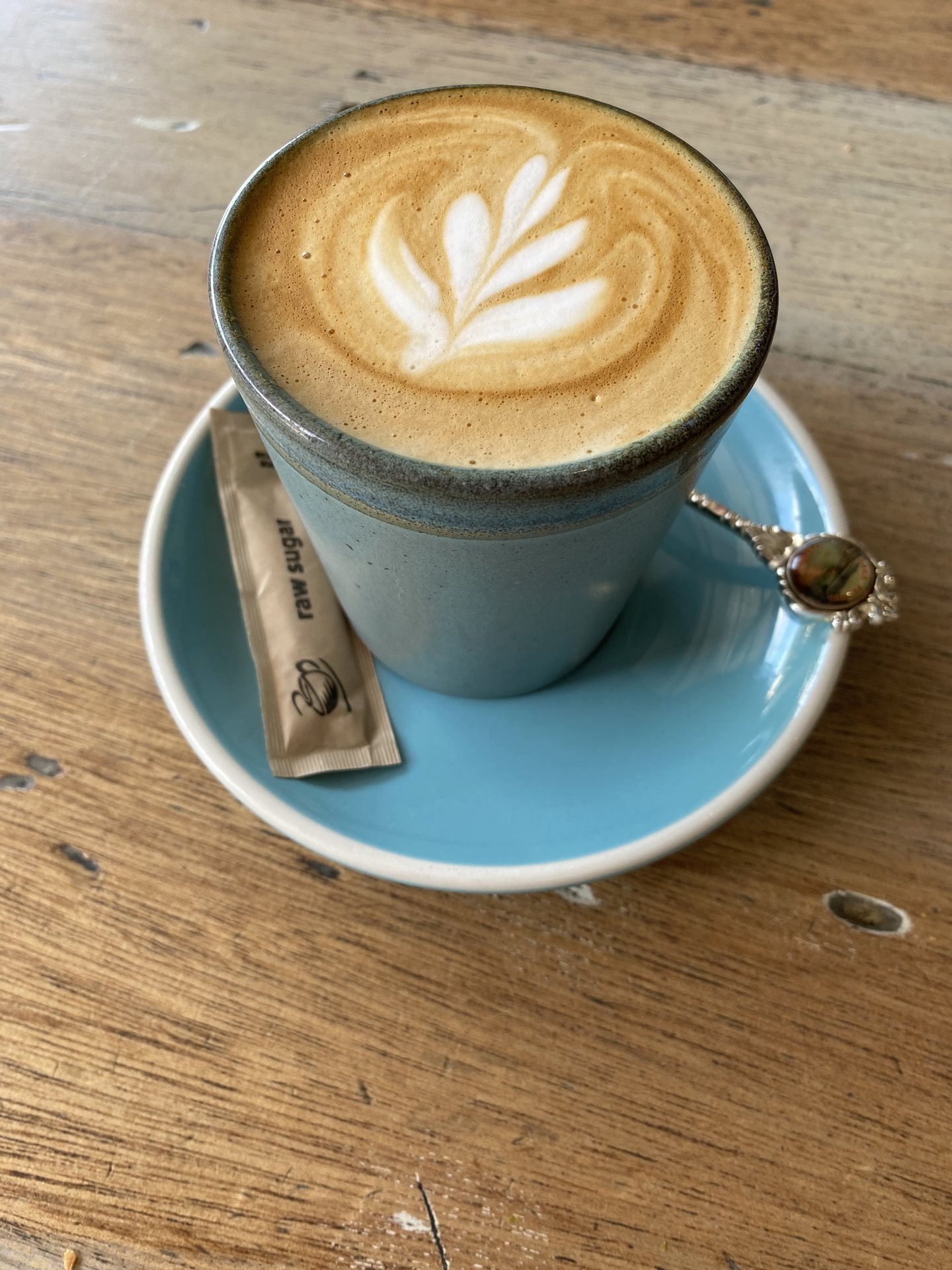
Australian food reflects many migrant communities as well as regional produce. Sydney offers seafood, Asian dining and diverse food districts. Melbourne is known for coffee, markets, bakeries and neighbourhoods with their own styles. Adelaide, Tasmania and other regions connect naturally with produce, wine and slower travel.
A local breakfast, a market or a dish shaped by a migrant community may tell you more about a city than a search for one “national dish”. If you have allergies, ask clearly about ingredients and preparation rather than relying only on the dish name.
7. A concise visa guide
Vietnamese ordinary passport holders need the appropriate visa before travelling to Australia. Visa Tốt’s approved support scope covers:
- Visitor visa (subclass 600) — Tourist stream: tourism or visits to family and friends;
- Visitor visa (subclass 600) — Business Visitor stream: certain permitted short business-visitor activities; it is not a visa for employment or providing services to an Australian business.
Applications are normally lodged online through ImmiAccount while the applicant is outside Australia. After lodgement, Home Affairs may require biometrics, health examinations or additional evidence depending on the case. Customers in southern Vietnam will be guided through the applicable Ho Chi Minh City process if they receive a Biometrics Requirement Letter.
At a general level, the application should connect the purpose of travel, itinerary, source of funds, employment or circumstances in Vietnam, travel history, inviter where relevant and reasons to return. Flight or hotel bookings cannot replace an honest, coherent application story.
Processing times change, and the official tool provides guidance based on recently decided cases rather than a promise for an individual application. Avoid buying non-refundable travel solely because of a reference timeframe.
Next step with Visa Tốt
Visa Tốt can help you develop a suitable itinerary, organise financial and employment evidence, review the online application and guide you through biometrics. The aim is for the application to reflect the journey you genuinely intend to take—clear, well supported and not forced into the same template as everyone else.
Official sources — checked 4 August 2026: Tourism Australia · Australia’s seasons and weather · Tourist stream — outside Australia · Business Visitor stream · Processing-times guide · Biometrics. Information may change; check again before booking services or lodging an application.
Image sources: Sydney Harbour — Benh LIEU SONG · Melbourne tram and Twelve Apostles — Dietmar Rabich · Flat white — Ashton 29. All images CC BY-SA 4.0 via Wikimedia Commons.