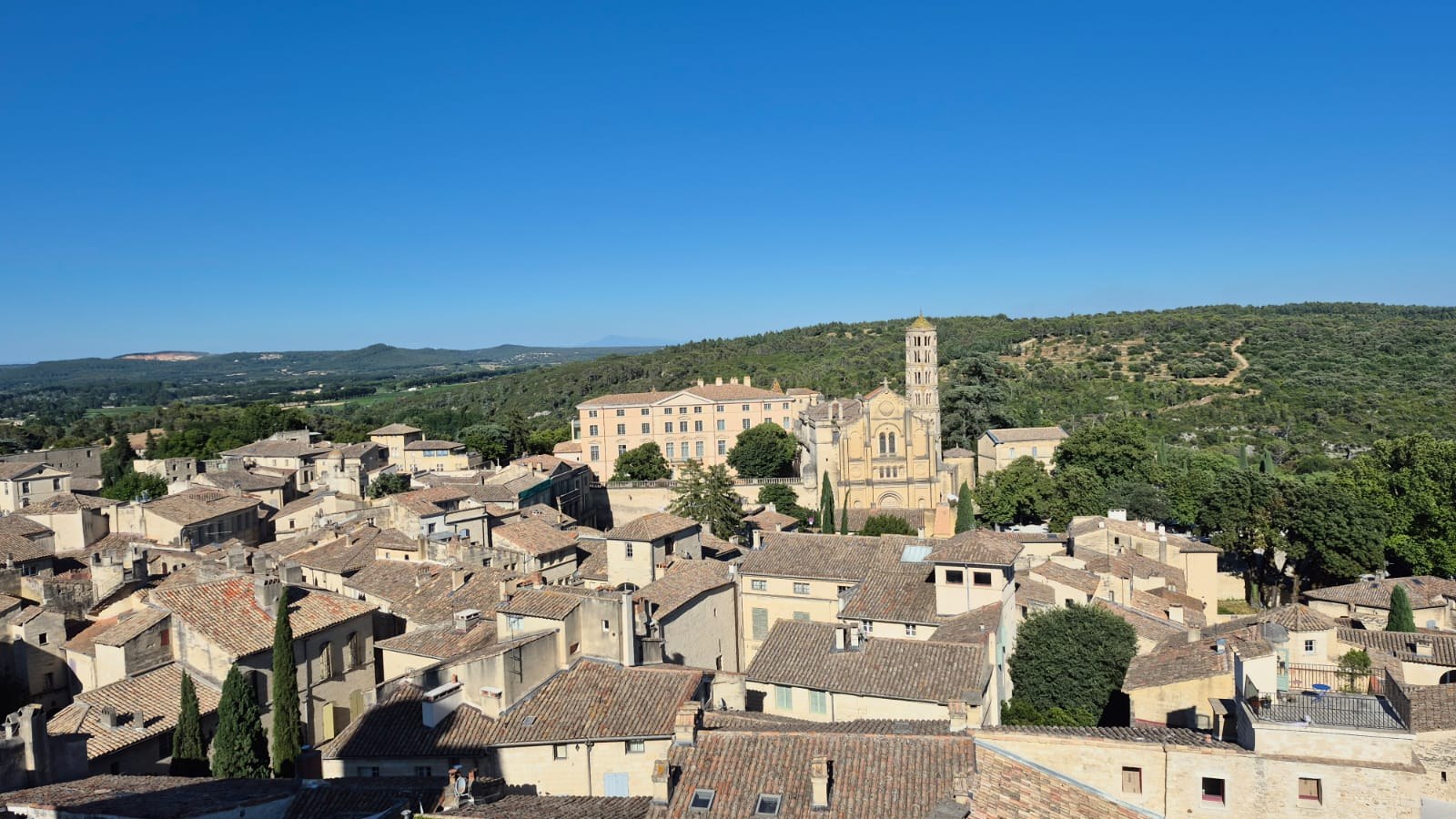
Schengen is not a single destination. It is an opportunity to bring several sides of Europe into one trip: a few days immersed in art and architecture in Paris, a train journey past Swiss lakes and mountains, then a finale of piazzas, intimate restaurants and late dinners in Italy.
What makes a journey memorable is not the number of countries on the itinerary. What matters more is choosing places that suit your interests, available time and preferred pace.
1. What kind of Europe would you like to experience?
The official Visit Europe portal suggests exploring Europe through interests such as art and culture, food, history, nature and outdoor activities. This is also one of the easiest ways to begin planning.
Cities, art and history
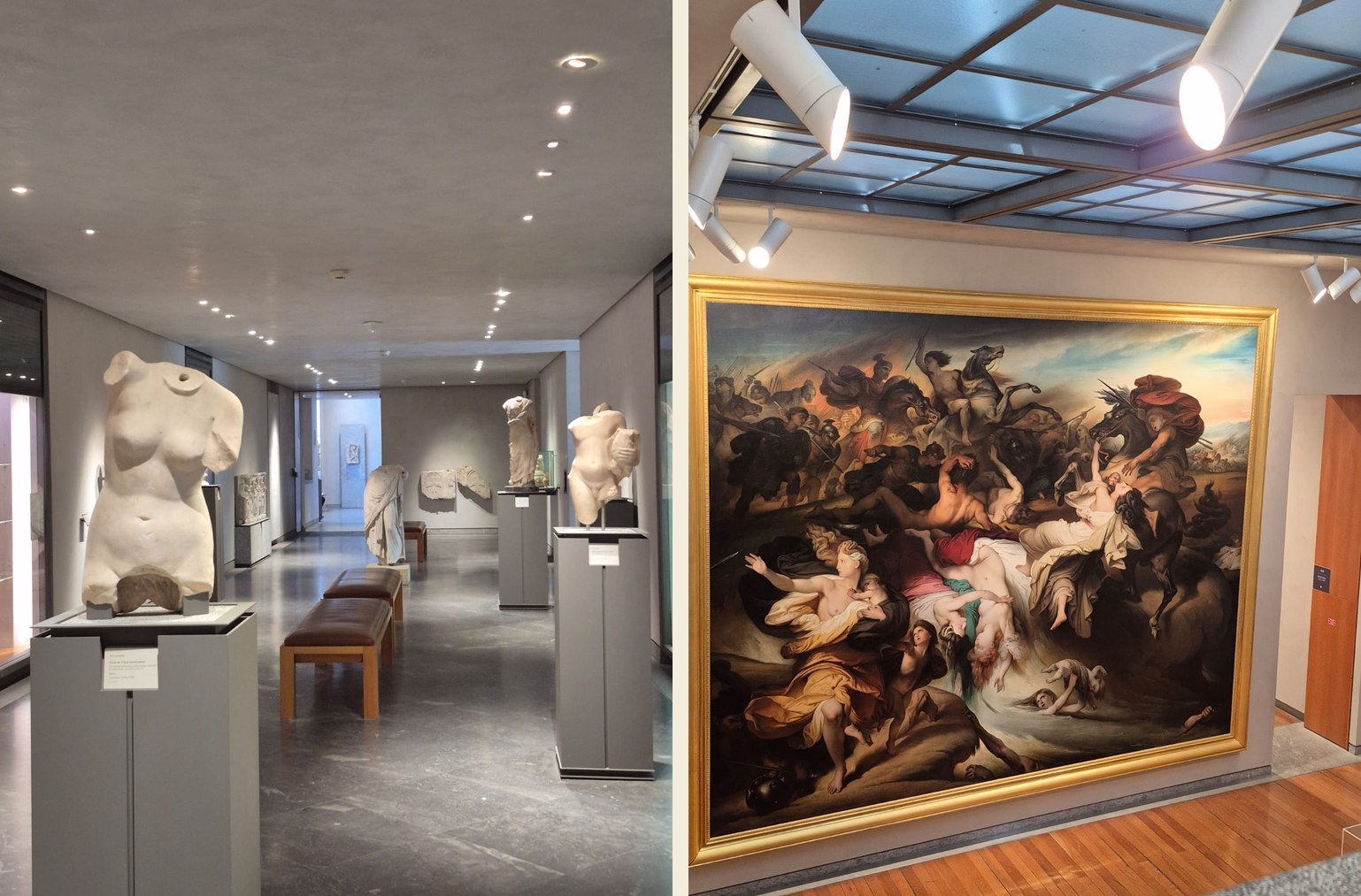
If this is your first time in Europe, a trip centred on two or three major cities is often easier to arrange. Paris suits travellers drawn to museums, architecture, walkable neighbourhoods and café life. Rome, Florence and Venice offer a journey rich in Italian art, history and food. Amsterdam, Brussels or Prague can add a different dimension without trying to cover too much ground.
Do not turn your holiday into a race for photographs. Every change of city takes time for checking out, reaching the station or airport, travelling and checking in again. Two places experienced properly are often more memorable than four seen only in passing.
Mountains, lakes and scenic rail journeys
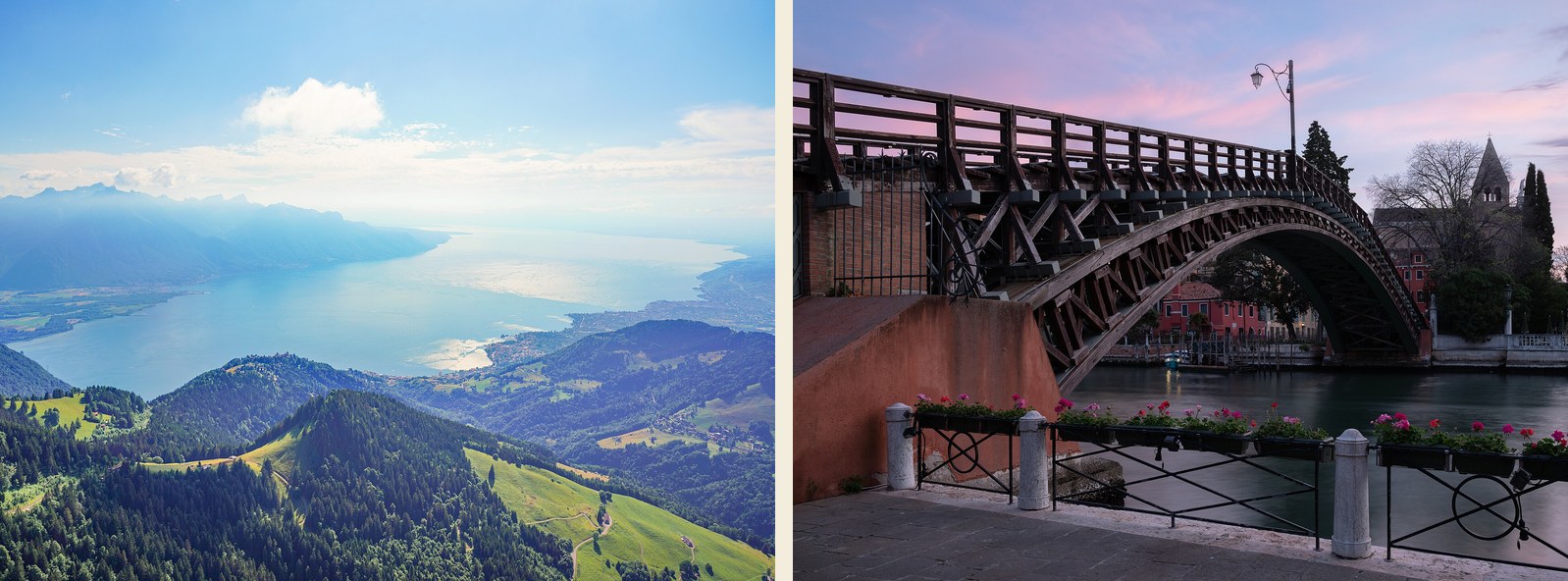
Switzerland is well suited to travellers who want to combine small cities, lakes, mountains and convenient public transport. Switzerland Tourism highlights experiences including Lucerne, Lake Thun, Montreux, Zermatt, Jungfraujoch and rail journeys through the Alps.
You do not need to undertake a multi-day mountain trek. A trip might simply include a few nights in Lucerne or the Interlaken area, a lake cruise, a day in the mountains and time to slow down after busy days in larger cities.
Food, small villages and a slower pace
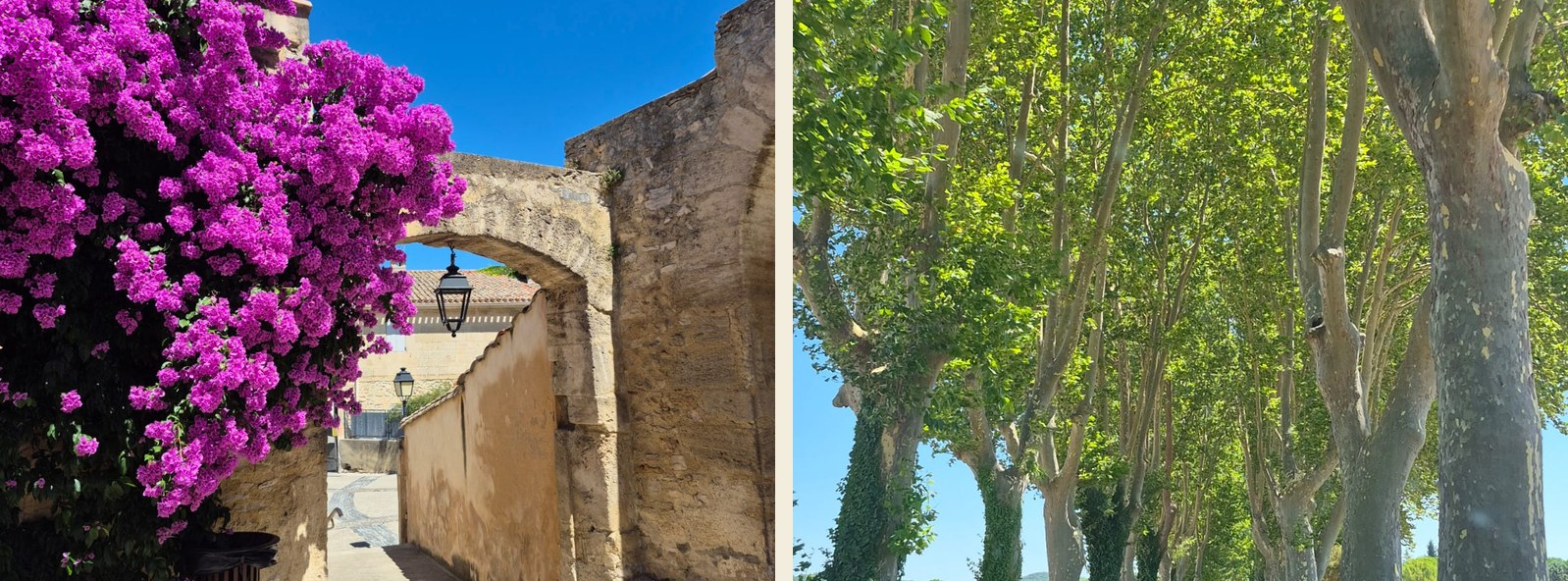
France.fr introduces many possibilities beyond Paris, including Provence, the Loire Valley, Alsace, Burgundy, Bordeaux and the Côte d’Azur. Italia.it likewise presents food, cities, villages, coastlines and slow travel alongside the country’s famous landmarks.
If you enjoy long meals, local markets, old villages or rural scenery, spend at least two nights in one region rather than visiting only for the day. This is often what gives a trip its own character, instead of making it feel like a checklist to complete.
2. Choose the season for the experience you want
Europe changes distinctly with the seasons, so the “best time” depends on what you want to do.
- Spring: well suited to cities, parks, the countryside and days that are not yet too hot. The weather can change quickly, so pack layers and a light waterproof jacket.
- Summer: long days, plenty of outdoor activities and a lively atmosphere. This is also often the busiest period in cities, coastal areas and famous destinations; plan important accommodation and rail journeys early.
- Autumn: ideal for travellers who enjoy milder weather, seasonal food, wine regions and changing landscapes. Late autumn can be cold, with noticeably shorter days.
- Winter: a good choice for Christmas markets, festively decorated cities and snowy regions. Some natural attractions or seasonal services operate to different schedules, so check before setting your itinerary.
Do not look only at a country’s average temperature. Paris, the Alps and southern Italy can feel very different in the same week.
3. A suggested 10-day itinerary
This is a planning framework for travellers who want to combine cities, nature and food without changing accommodation every day:
-
Days 1–3: Paris
Adjust to the time zone, choose one or two museums, explore neighbourhoods on foot and make time for an unhurried meal. -
Day 4: travel to Switzerland
Choose Lucerne or another well-connected base. Do not schedule a major activity immediately after a long journey. -
Days 5–6: lakes and mountains
Set aside one day for a lake or small city, and one for a mountain route suited to the weather and your health. -
Day 7: continue to northern Italy
Milan is convenient for connections; Lake Como or a smaller city works well if you would prefer a slower break. -
Days 8–9: Italy
Choose art, food, shopping or a short trip within the region. Avoid adding too many cities simply because they appear close together on the map. -
Day 10: return journey
Stay somewhere with good airport connections and allow enough time for your international departure.
This framework is not a model visa itinerary. You may visit just one country, stay longer in one region or choose an entirely different route. A good itinerary is one that fits the travellers, their budget and the actual number of days available.
4. Travel without making the trip exhausting
Trains are often a good choice between cities with central stations and for moderate distances. Flying may be useful for longer sectors, but include the time needed to reach the airport, clear security, manage luggage and travel into the city centre.
Before buying tickets:
- compare the total journey time from one accommodation to the next;
- check whether seat reservations are compulsory;
- review change, refund and luggage conditions;
- avoid very tight connections when travelling with young children, older people or several suitcases;
- save tickets and accommodation addresses somewhere accessible offline.
If you visit several countries, do not assume they all use the euro. Switzerland, for example, uses the Swiss franc. Cards are widely accepted in many visitor destinations, but a small amount of cash remains useful in practical situations.
5. Accommodation and daily rhythm
Location is often more important than having a room filled with amenities. Staying near the right station or transport route can save time every day. Read check-in times, luggage policies, lift access, air conditioning and room types carefully, particularly in older buildings.
Dining hours, opening times and rest days may differ between countries, or even between cities and rural areas. Check important places directly instead of assuming everything operates in the same way. Booking ahead for a restaurant you particularly want to visit or a famous museum can make the day less stressful.
6. A concise visa guide
Vietnamese ordinary passport holders generally need a Schengen visa for a short visit. According to European Commission guidance, a Schengen visa permits visits of up to 90 days in any 180-day period; the specific permitted duration must be read from the visa issued.
If visiting several countries, the place of application is generally determined by the main destination, usually the country where you will stay longest. If the stays are equal in length, the first country of entry may be relevant. Your travel itinerary and visa application should therefore be built from the same genuine plan.
At a general level, you should prepare:
- departure and return dates, and the number of nights in each place;
- transport and accommodation plans;
- the budget, source of funds and person paying for the trip;
- travel insurance meeting the applicable requirements;
- information about your employment, leave and circumstances in Vietnam;
- the checklist, translations and submission method required by the correct competent authority.
The European Commission states that applications should be lodged no earlier than six months and, as a general rule, at least 15 days before the trip. Appointment availability and local requirements may mean you need more time, so preparation should begin earlier than the minimum deadline.
Next step with Visa Tốt
A rewarding European journey needs to be both inspiring and logical when presented in an application. Visa Tốt will work with you to shape the right trip, allocate the days at each destination, create a realistic itinerary and connect that plan with your accommodation, finances, employment and sponsor. The result is a travel plan genuinely designed around you, and an application prepared around the same clear story.
Official sources
Research and review date: 28 July 2026. Travel information, operating schedules and visa requirements may change. Check directly before booking services or submitting an application.
Visit Europe · Explore France · Switzerland Tourism · Italia.it · European Commission — Schengen visa.
Additional images: Lake Geneva and Swiss Alps — Giles Laurent, CC BY-SA 4.0 · Ponte dell’Accademia, Venice — Julian Herzog, CC BY 4.0.