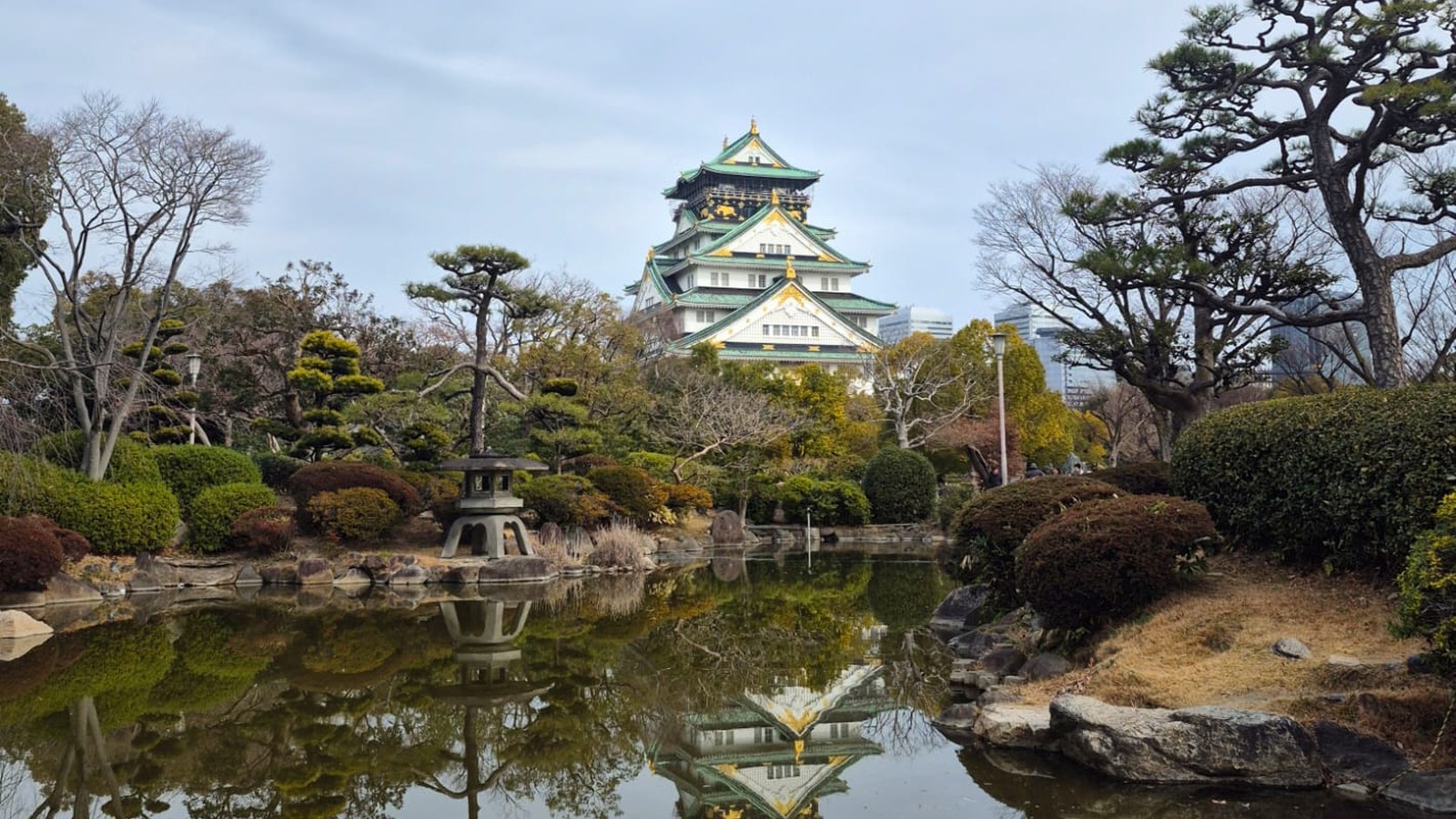
Japan can mean Tokyo and its illuminated neighbourhoods, Kyoto’s temples, gardens and wooden houses, or Osaka’s approachable energy and street food. But the country also holds Hokkaido snow, old mountain villages, art beside the Seto Inland Sea, onsen, walking trails and small cities that deserve more than a brief stop.
JNTO’s official site for Vietnamese visitors presents Japan through destinations, experiences, seasons and itineraries. The best way to begin is not to add every famous place to the schedule, but to choose one main region and a few experiences you genuinely want to remember.
1. What kind of Japan would you like to encounter?
A first visit: Tokyo, Kyoto and Osaka
This is the easiest route to picture for a first visit. Tokyo holds many rhythms within one city: shopping districts, temples, museums, residential neighbourhoods, food and day trips. Kyoto is ideal for temples, gardens, old streets and traditional culture. Osaka offers an open atmosphere, food and a convenient base for adding Nara or Kobe.
These three cities are enough for an 8–10-day trip. Do not add Hiroshima, Kanazawa, Takayama and Hokkaido to the same itinerary simply because fast trains exist. Changing hotels, forwarding luggage and finding your way can consume the relaxed time you hoped to enjoy.
Nature and Mount Fuji
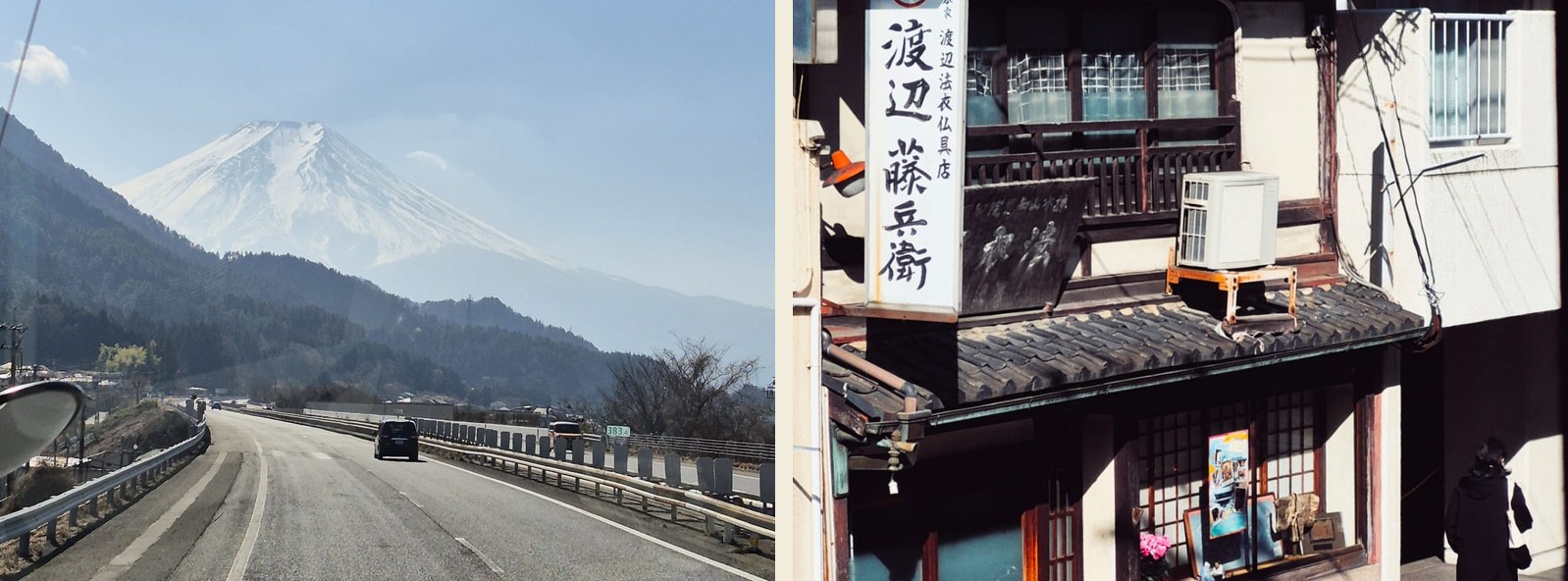
The area around Mount Fuji offers more than a single photograph. Hakone, the Fuji Five Lakes and nearby towns have onsen, lakes, museums and seasonal scenery. Visibility depends on the weather, so do not make the value of an entire day depend on seeing the summit.
One night outside Tokyo can slow the pace. If you choose a ryokan, read its check-in times, meal arrangements, onsen rules and directions carefully before booking.
Beyond the familiar route
JNTO highlights options including Hokkaido in flower or snow season, Tohoku for cherry blossoms and autumn colour, as well as Hokuriku, Kyushu, Fukuoka, Hiroshima and the Seto Inland Sea region.
- Hokkaido: well suited to open landscapes, winter, flowers and the food of a cold region.
- Tohoku: mountains, hot springs, festivals and seasonal scenery; distances between places need careful planning.
- Hiroshima and Setouchi: a combination of history, islands, sea and art.
- Kyushu: home to Fukuoka, onsen, volcanoes and regional food.
If you have already travelled the Tokyo–Kyoto–Osaka route, a journey focused on one region will feel fresher than repeating the same route with a fuller schedule.
2. Choose a season for what you want to see
Spring
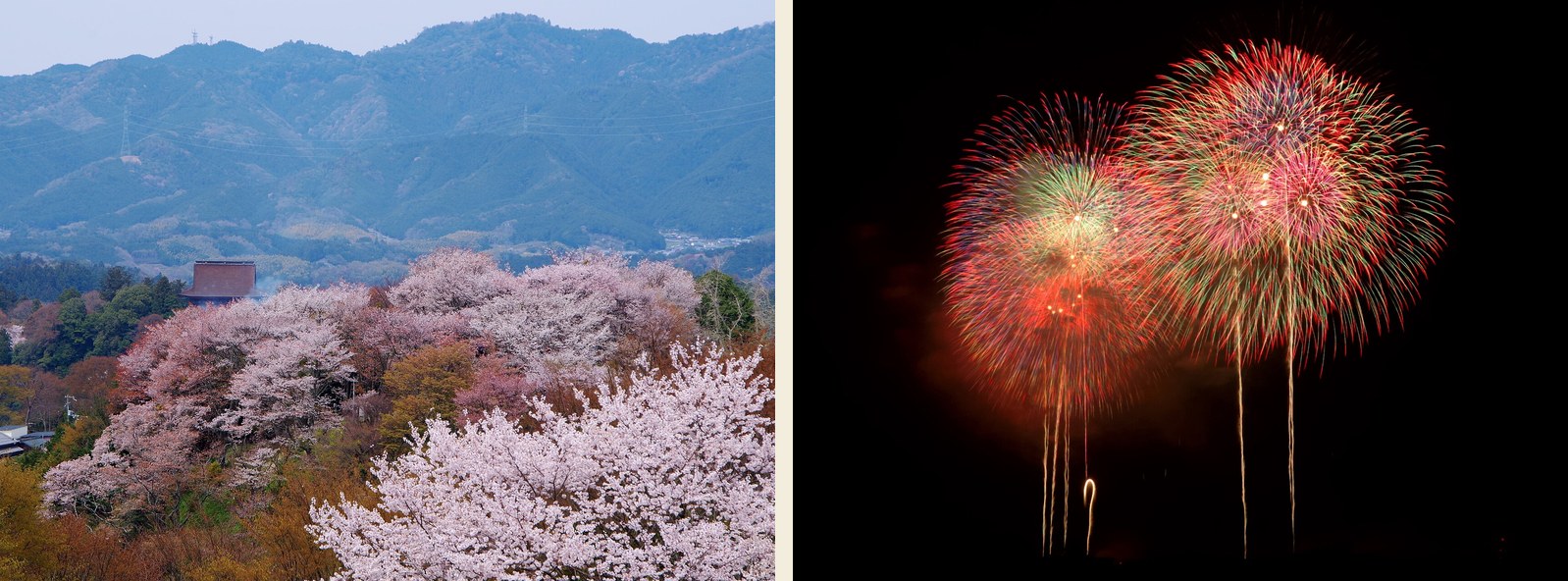
Cherry blossom is an iconic image, but flowering dates vary by region and weather. If your trip depends on the blossom, follow forecasts close to departure and still build an itinerary with other experiences. Beyond the famous viewing sites, spring also brings flowers to parks, gardens and rural areas.
Summer
Summer brings festivals, fireworks, mountain destinations and Hokkaido’s flower season. Many cities are hot and humid; plans should include rest, water and indoor activities. Some periods and areas also experience rainy season or typhoons, so monitor weather information.
Autumn
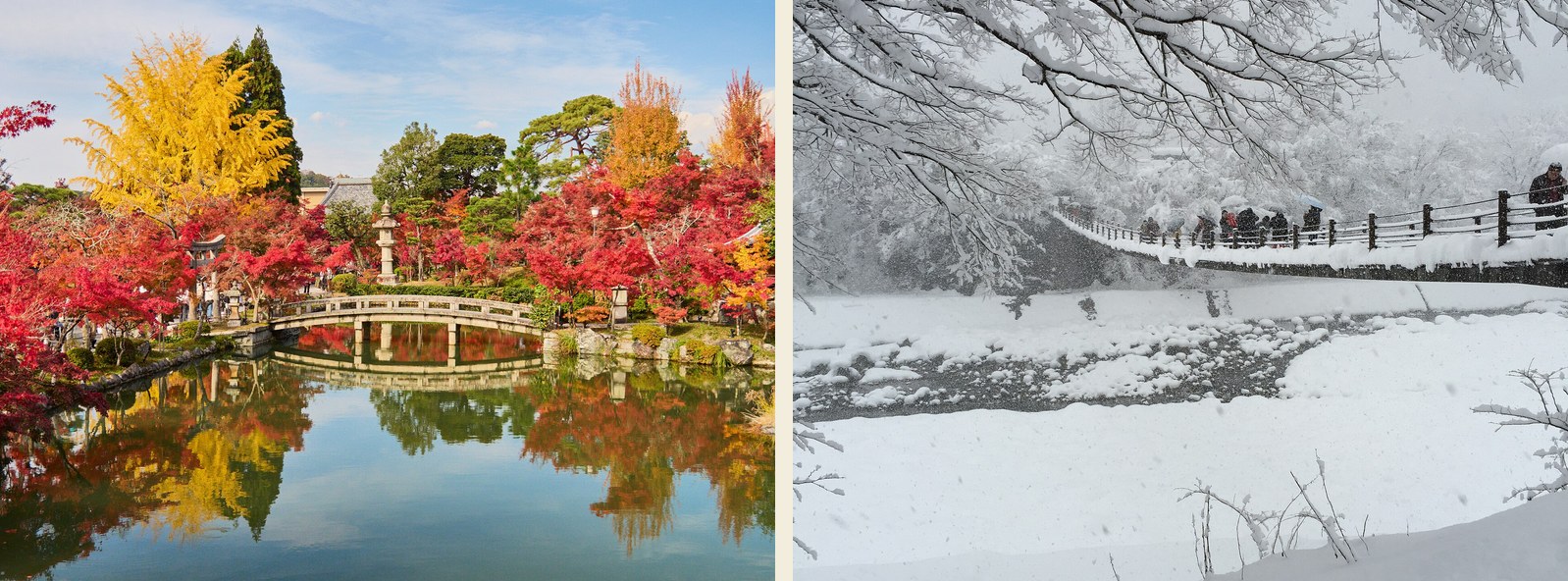
Autumn colour arrives at different times according to region and elevation, not simultaneously across the country. It is a good season for cities, temples, walking and food. Famous locations can become very crowded at peak colour.
Winter
Hokkaido, Tohoku and mountain regions offer snow, skiing, onsen and light festivals. Tokyo, Kyoto and Osaka provide a different experience from the peak blossom and foliage seasons. If driving in snowy areas, prepare for winter conditions rather than relying only on ordinary driving experience.
3. A suggested 9-day itinerary for a first visit
-
Days 1–3: Tokyo
Plan by area rather than crossing the city repeatedly. Spend one day in the east and its traditional districts; one in the west and modern districts; and one following an interest such as art, shopping or a short excursion. -
Day 4: Hakone or the Mount Fuji area
Choose according to the weather, accommodation style and connections. A night in a ryokan may be more memorable than an overly rushed return day trip. -
Days 5–7: Kyoto
Start early in one well-known area, then spend the rest of the day in gardens, smaller streets or a quieter district. Do not try to visit every temple on a list. -
Days 8–9: Osaka
Make time for neighbourhoods, markets and food; choose Nara as a day trip if you would prefer not to change hotels again.
If your return flight leaves from Tokyo, allow enough time to travel back safely. If you can fly into Tokyo and out of Osaka, a one-way itinerary may avoid backtracking, but compare the total cost and flight times.
4. Trains, transport cards and luggage
The rail network makes travel between cities convenient, but buying a pass does not always save money. List your main journeys, check ticket prices and compare them with the passes available at the time of travel. National passes, regional passes and individual tickets suit different itineraries.
IC cards are convenient for many trains, metro services, buses and small payments, but coverage and purchase methods can vary by region or device. Check current guidance rather than relying only on an old video.
Large luggage makes train connections more difficult. You can:
- take a smaller suitcase;
- choose hotels near the right station;
- use luggage forwarding when the itinerary allows;
- leave enough time between services;
- check reservation rules for oversized luggage on the relevant routes.
Station and line names can be similar. Saving both the English and Japanese names, together with booking references, will make asking for directions easier.
5. Accommodation and cultural experiences
Hotels near stations suit multi-stop itineraries. A machiya, small guesthouse or ryokan offers a more personal experience, but may have different rules, check-in times and facilities from a standard hotel.
If staying in a ryokan or using an onsen, read the specific property’s guidance on footwear, yukata, meals, bathing areas and tattoos. There is no single rule identical across every establishment.
Japan rewards slow travel. A morning in a residential neighbourhood, a local train ride or a meal at a small restaurant can be as memorable as a famous landmark. Observing how people queue, keeping your voice moderate on public transport and following signs on site are usually enough to begin.
6. Eating by region
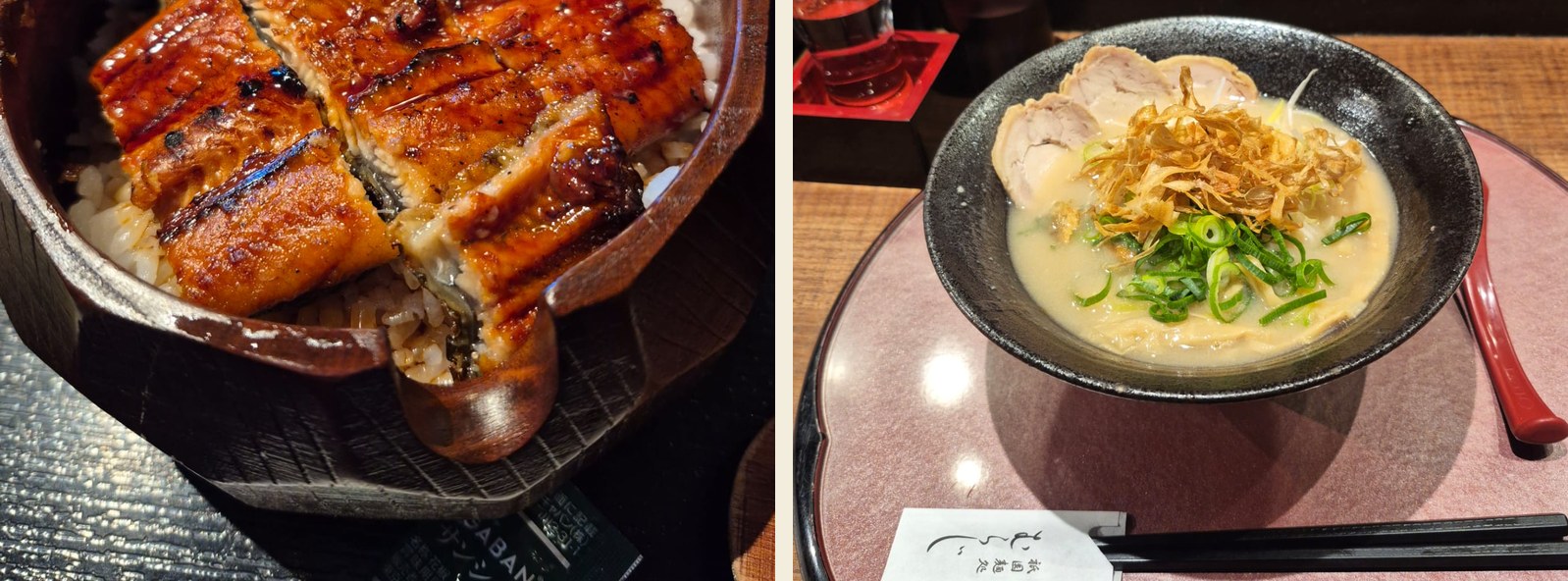
Tokyo offers almost every style of food. Kyoto is associated with seasonal dishes, sweets and refined meals. Osaka is famous for takoyaki, okonomiyaki and an easy-going dining culture. Fukuoka has yatai and Kyushu cuisine; Hokkaido stands out for seafood, dairy and cold-climate produce.
Do not search only for the “best restaurant”. Choose a few regional dishes, leave room for unexpected discoveries and avoid spending hours in a queue for every meal. If you have allergies, save an explanation in Japanese and ask clearly about ingredients; broths or sauces may contain items that are not directly visible.
7. A concise visa guide
Vietnamese ordinary passport holders need to check the requirements and obtain the correct visa before travel. For short independent holidays, Japan’s diplomatic missions publish checklists and submission channels according to place of residence. Depending on the region and application route, submissions may be accepted by an authorised agency or company.
At a general level, prepare:
- a passport, application form and photograph meeting the requirements;
- flight dates, airports, cities and accommodation;
- a daily schedule of stay;
- evidence of finances and the person paying for the trip;
- employment details, leave arrangements and travelling companions;
- additional documents when applying for a multiple-entry visa or travelling under an applicable tour/eVISA arrangement.
On the research date, the published eVISA route for Vietnamese citizens residing in Vietnam operated through accredited agencies and package tours organised by designated companies; it was not a self-service application portal for every independent traveller. Check again with the Ministry of Foreign Affairs and the competent diplomatic mission for your place of residence before choosing a channel.
Next step with Visa Tốt
A Japan itinerary should be both enjoyable and specific enough to connect flights, accommodation, activities, budget and the person paying for the trip. Visa Tốt will help you identify the right application route and submission channel, create a coherent schedule of stay, organise financial evidence and review consistency across the documents. You can plan a journey around your own interests without turning the itinerary into a generic, impersonal template.
Official sources — checked 28 July 2026: Travel Japan · JNTO Plan · MOFA Visa · MOFA eVISA · Consulate General of Japan in Ho Chi Minh City · Independent tourism checklist. Information may change; check again before booking services or submitting an application.
Additional seasonal images: Yoshino — Nankou Oronain, CC BY-SA 3.0 · Nagaoka — Kropsoq, CC BY-SA 3.0 · Eikando — lumoplank, CC0 · Shirakawa-go — ::::UT::::, CC BY-SA 3.0.