Hong Kong is often pictured through its harbourfront towers, illuminated signs and constant flow of people. Yet the city also has old neighbourhoods, mountain trails, beaches, small islands and ferries that carry you beyond the urban bustle in just half a day.
It is well suited to a short trip: transport is convenient, each area has a clear personality and many experiences sit close together. The secret is not to race through a list of landmarks. Make time to absorb each neighbourhood.
1. The different sides of Hong Kong
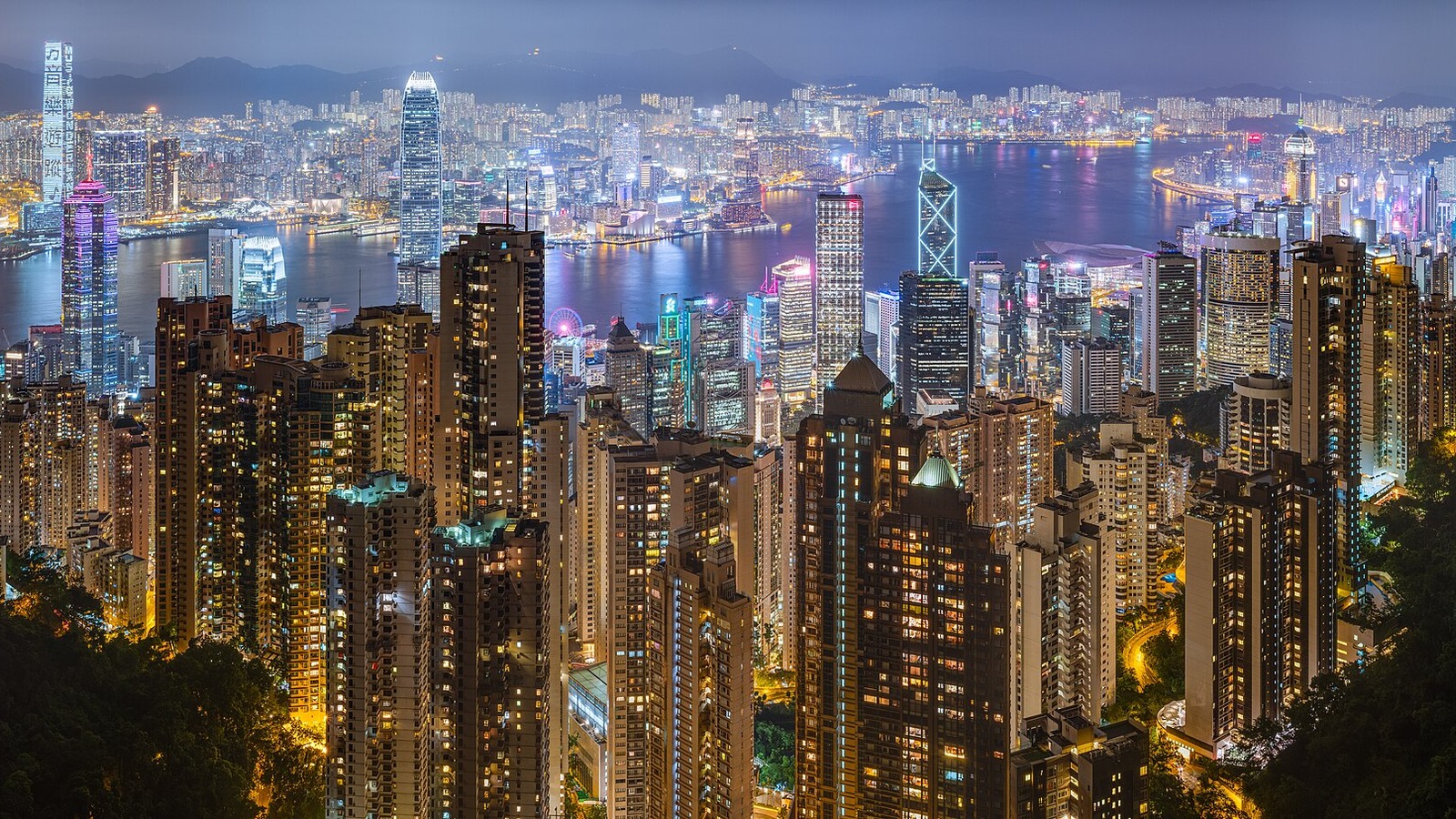
Victoria Harbour and the skyline
The shores of Hong Kong Island and Kowloon form the city’s most familiar view. Tsim Sha Tsui is ideal for walking along the harbour and looking across to Hong Kong Island. Central and Admiralty bring together the financial district, high-rise architecture and convenient connections to many other areas.
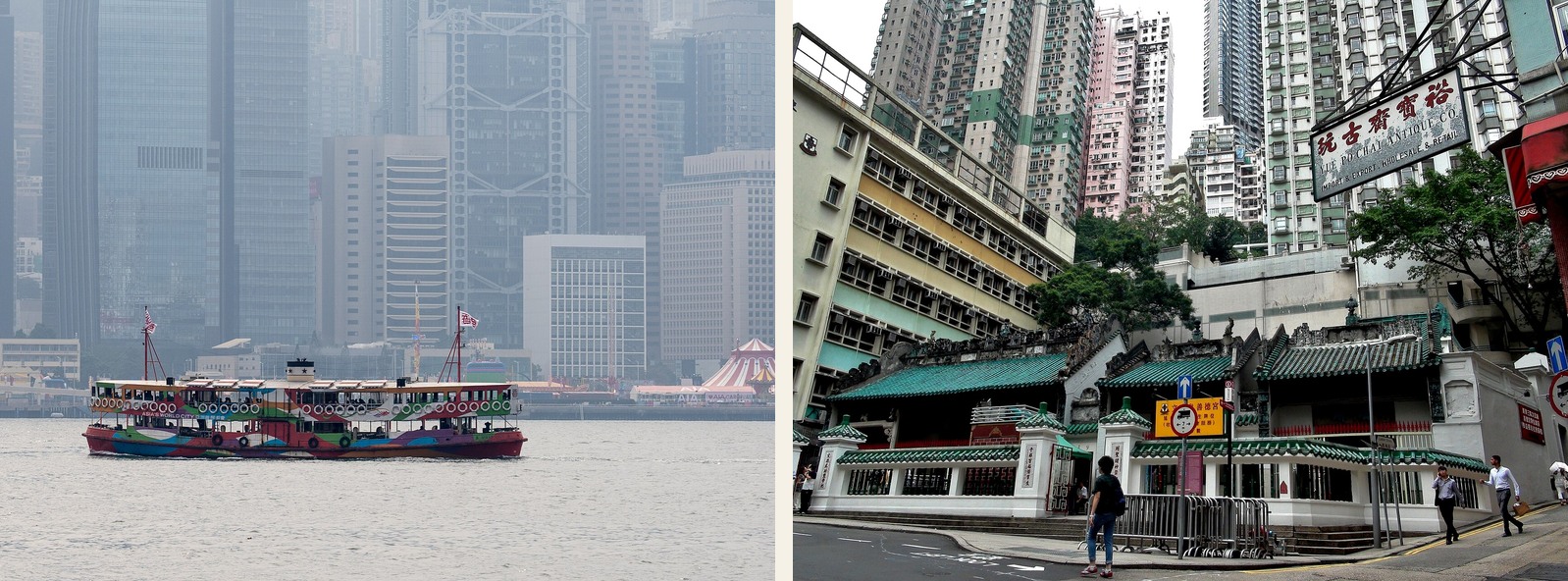
Crossing the harbour by ferry is both transport and an experience in itself. The city changes noticeably from day to night; if time allows, see the harbour at both.
Central, Sheung Wan and streets layered with history
Central is not only offices and shopping centres. Walk towards Sheung Wan and you will find temples, traditional shops, cafés, galleries and sloping streets connecting older neighbourhoods with the modern city.
This area rewards a slow walk, though the hills and hot, humid weather can make even a short route tiring. Choose a few streets, pause along the way and wear suitable shoes.
Kowloon: markets, food and local life
Mong Kok, Yau Ma Tei and Jordan feel crowded, down-to-earth and full of energy. In one afternoon, you can combine markets, shopping streets, small restaurants and older buildings.
Sham Shui Po suits travellers interested in inexpensive food, markets and a less polished side of the city. West Kowloon offers open space, art and harbour views. They are very different experiences, yet both can belong in the same journey.
Mountains, islands and the sea
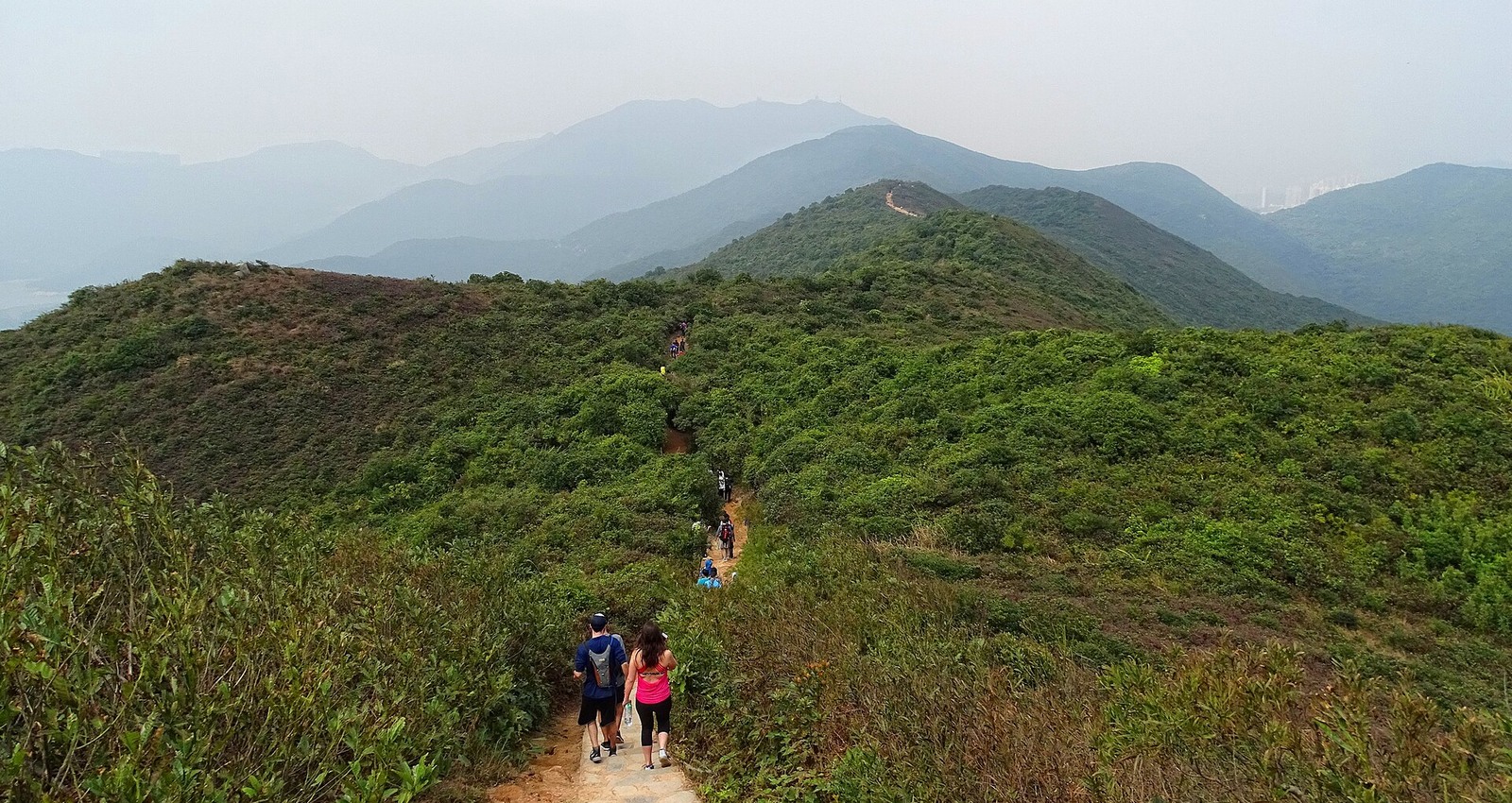
Hong Kong has more natural space than first impressions suggest. Victoria Peak is an accessible choice for panoramic views. If you enjoy walking, select a route suited to your fitness, the weather and your experience rather than relying only on photographs online.
Lantau has villages, coastline, mountains and well-known attractions. Islands such as Lamma or Cheung Chau offer a slower day of ferry rides, walking and seafood. Check ferry timetables, weather and the time of your return journey before setting out.
2. Choose a season and prepare for the weather
- Autumn: often favoured by visitors for weather that is more comfortable for walking and sightseeing.
- Winter: cooler and drier, making it suitable for the city and its trails; some windy days can feel colder than expected.
- Spring: temperatures gradually rise, while humidity and mist can affect visibility.
- Summer: hot, humid and prone to heavy rain; include indoor breaks and an alternative plan.
Hong Kong has a tropical cyclone season. Near your departure date, follow the Hong Kong Observatory and notices from your airline, accommodation and transport providers. Do not try to keep an outdoor itinerary unchanged when weather warnings are in effect.
3. A suggested 4-day itinerary
Day 1: get to know the harbour
Check in, take a gentle walk around Tsim Sha Tsui or Central, then cross the harbour by ferry. Spend the evening with the skyline and a meal near your accommodation. There is no need to schedule too much after your flight.
Day 2: Hong Kong Island
Begin in Central, walk towards Sheung Wan, choose a temple or art space, then visit Victoria Peak when the weather is suitable. If it is misty or rainy, switch to a museum, shopping or an indoor dining district.
Day 3: Kowloon
Make your way from West Kowloon or Tsim Sha Tsui through Jordan, Yau Ma Tei and Mong Kok. Choose one market, one dish you want to try and leave time to walk through the smaller streets. The evening could be spent at a night market or dining area.
Day 4: choose nature or an island
For a slower day, choose Lantau, Lamma or Cheung Chau. If you prefer the city, spend your final day at a museum, shopping district or neighbourhood you have not yet explored. Return in good time if you have an evening flight.
4. Getting around the city
The MTR works well for most urban journeys; buses, trams and ferries offer different views of the city. A good trip does not need to use every type of transport. Choose the routes most convenient for your accommodation and the area you are exploring that day.
The Octopus card is widely used for transport and many small payments. At the time of travel, check the official source for the card type suited to visitors and how to top it up and obtain a refund.
A few practical points:
- save the name and address of your accommodation in English or Chinese, if available;
- download maps and booking details for offline access;
- allow extra time during peak hours;
- check the MTR exit, as a station may have several exits a considerable distance apart;
- for islands or trails, check the last service and the weather forecast.
5. What—and how—to eat
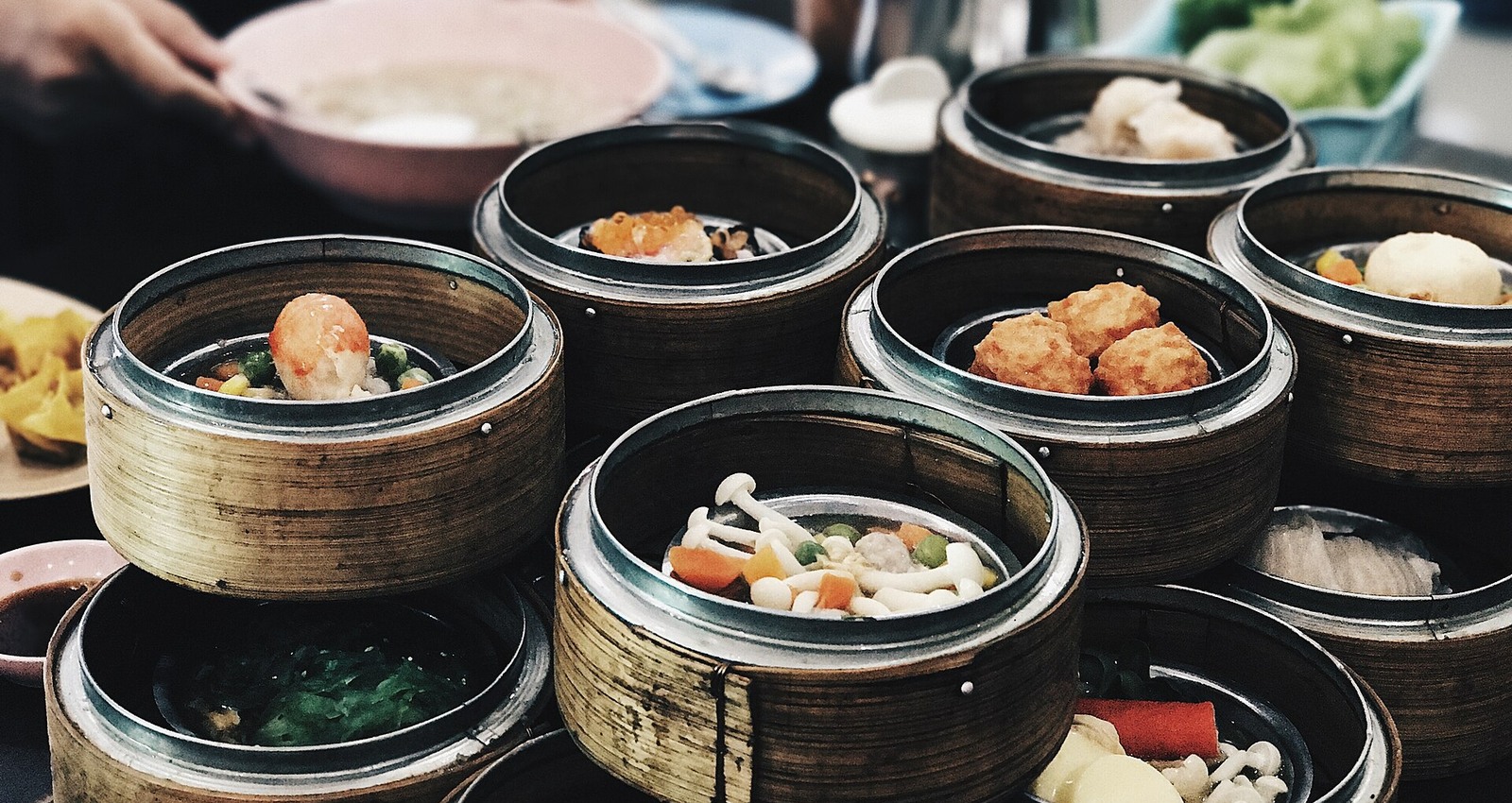
Hong Kong is a place where breakfast might be dim sum, lunch noodles or roast meat, followed by milk tea at a cha chaan teng and seafood or a contemporary dinner overlooking the city in the evening.
There is no need to choose only famous restaurants. A place near a market, a long-established bakery or a simple breakfast can feel more local. Busy periods, queuing, shared tables and payment methods vary between establishments; observing and asking a brief question is usually easier than making assumptions.
If you have allergies or dietary restrictions, save an explanation in Chinese and ask about ingredients rather than relying only on a dish’s name.
6. Accommodation and pace
Tsim Sha Tsui is convenient for the harbour and Kowloon. Central, Sheung Wan or Wan Chai work well if you want to stay on Hong Kong Island. Mong Kok has a lively pace and many places to eat; areas farther from the centre may offer more space but add travel time.
Rooms in Hong Kong may be smaller than expected. Read the floor area, bed type, window details and actual distance to the station carefully. On a short trip, location is often worth more than changing hotels to save a small amount.
7. A concise visa guide
According to the current requirements table from the Hong Kong Immigration Department, Vietnamese ordinary passport holders need a visa for a visit. The usual route is visit for tourism or seeing relatives and friends; transit is a separate route for an onward journey.
Applications can be submitted online. At a general level, you should prepare:
- your passport, photograph and personal information;
- arrival and departure dates, accommodation and itinerary;
- evidence of finances, employment and source of funds;
- information about an inviter or sponsor, if applicable;
- a ticket or onward travel plan when applying for transit;
- certified translations when documents are not in Chinese or English, as required.
The official website currently gives a normal processing time of around four weeks after all required information and documents have been received. Check the current fee, forms, file formats and processing time directly on the Immigration Department portal before applying.
A Hong Kong visa does not grant entry to mainland China or Macao. If your itinerary combines several places, check the conditions for each sector separately.
Next step with Visa Tốt
Even a short Hong Kong trip needs a coherent plan: flight dates, accommodation area, budget, sponsor and activities should all describe a journey that can realistically be made. Visa Tốt will help you build an itinerary at the right pace, organise answers and documents for the online application and review possible inconsistencies before submission. You can look forward to the journey knowing that the application has been prepared with care.
Official sources — checked 28 July 2026: Discover Hong Kong · GovHK City Attractions · Hong Kong Observatory · MTR Tourist Information · Immigration Department — Visit/Transit · GovHK Online Application. Information may change; check again before booking services or submitting an application.
Internet images: Victoria Harbour — Benh LIEU SONG, CC BY-SA 4.0 · Star Ferry — Alexkom000, CC BY 4.0 · Man Mo Temple — Sakaori, CC BY 3.0 · Dragon’s Back — Bjørn Christian Tørrissen, CC BY-SA 4.0 · Dim sum — afterdog, CC0.